Beirut · Lebanon
The city we cover
Beirut, page by page.
Martyrs’ Square
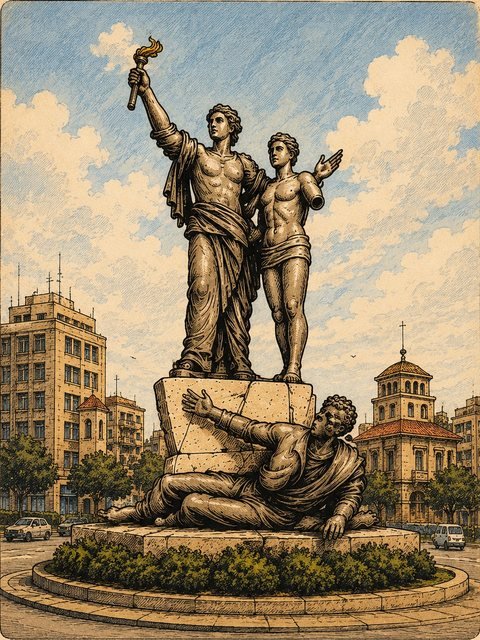
The square was called Place des Canons, and before that Sahat al-Burj. On 6 May 1916 the Ottoman authorities hanged Lebanese and Syrian nationalists here and in Damascus, and the date is still a public holiday in both countries. The bronze memorial was made by the Italian sculptor Marino Mazzacurati and unveiled in 1960. Fifteen years later the square lay on the Green Line that split Beirut for the length of the civil war, and the figures were shot to pieces. They went to Rome for restoration in 1996 and came back in 2004, with the bullet holes left in on purpose.
Beirut Port
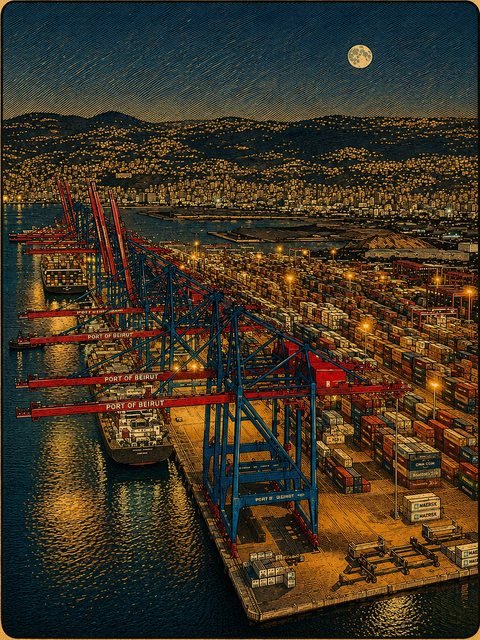
The country’s main gateway, through which most of what Lebanon eats and uses arrives. On 4 August 2020 some 2,750 tonnes of ammonium nitrate, stored in Hangar 12 for six years, detonated. More than 200 people were killed, thousands were injured and a large part of the city was wrecked in seconds. The grain silos took much of the blast and shielded the districts behind them; what was left of them collapsed in 2022. The investigation has been obstructed repeatedly and nobody has been held responsible.
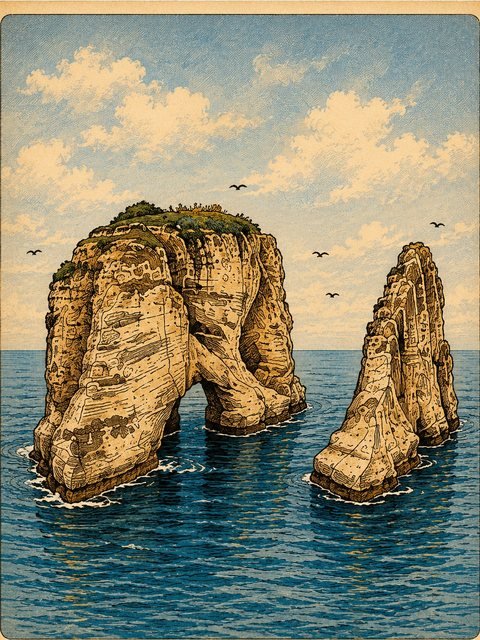
Raouché
Two limestone stacks stand in the water off the cliffs at the western tip of Beirut, one worn through by the sea into an arch. The name comes from the French word roche, for rock. Sailors used the stacks as a mark, and swimmers jump from the cliff beside them all summer, which the authorities discourage and have never managed to stop. The promenade above is public, free and open at any hour. Most of the coast between here and the port has been built on, fenced off, or turned into private beach clubs.
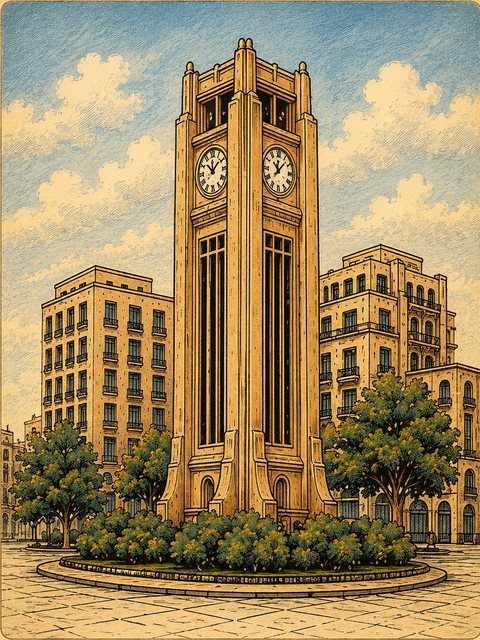
Nejmeh Square
The French Mandate laid this district out on a radial plan, with streets running off one point like the spokes of a star, which is where the square gets its name in both languages. The clock tower at the centre was paid for by Michel Abed, a Lebanese emigrant who had made his money in Mexico, and went up in 1934. Its four faces were made by Rolex. Parliament sits on this square. After the assassination of Rafik Hariri in February 2005 the area was closed behind checkpoints, and it has stayed closed.
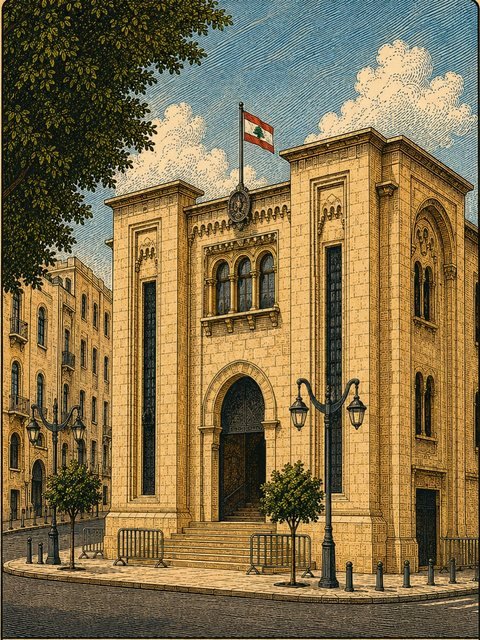
Parliament
The chamber on Nejmeh Square was finished in 1934 to a design by Mardiros Altounian, the Armenian Lebanese architect who also drew the clock tower outside it, in a revival style meant to look older than it is. The house has had 128 seats since the Taif agreement ended the civil war, divided equally between Christians and Muslims and then again between sects. It has gone years at a stretch without electing a president, and for long spells the building has been unreachable to the public it seats.
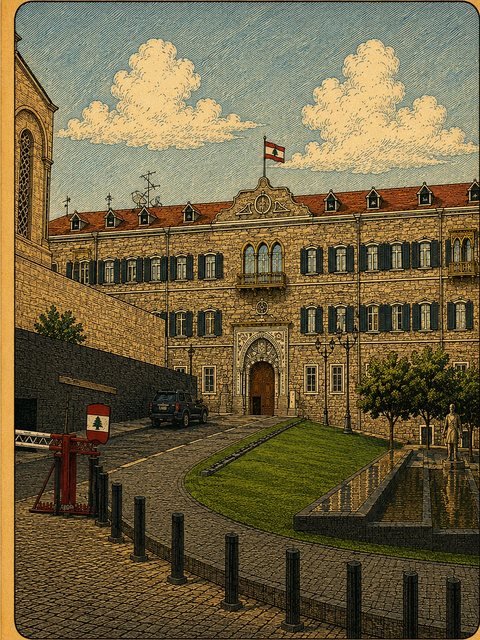
The Grand Serail
Built in 1853 as Ottoman barracks on the hill above the centre, the Serail became the seat of the French Mandate authorities and is now the office of the prime minister. It was shelled during the civil war and rebuilt in the 1990s. The hill it stands on also carries the Council for Development and Reconstruction and the old Ottoman clock tower. Its gates look down on the streets where governments are argued into and out of existence.
Banque du Liban
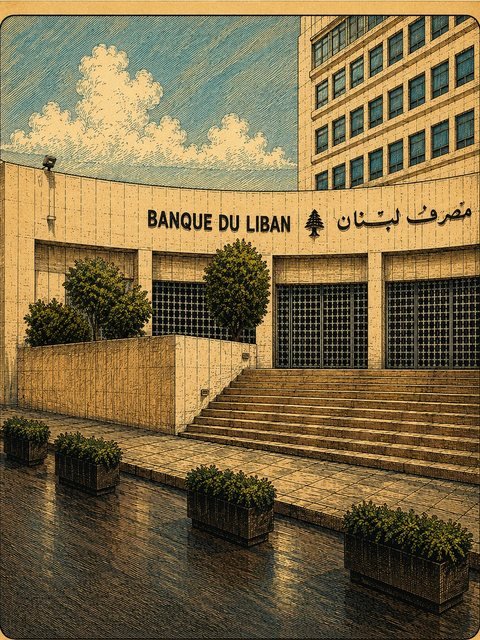
Lebanon’s central bank was created by the Code of Money and Credit in 1963 and opened on 1 April 1964. Its headquarters stand on Hamra Street. Riad Salameh governed it from 1993 until 2023, one of the longest tenures of any central banker anywhere. The financial arrangements built under him held the currency steady for years and then gave way in 2019, taking the savings of a generation of depositors with them. What is owed, and by whom, has still not been settled.
Downtown
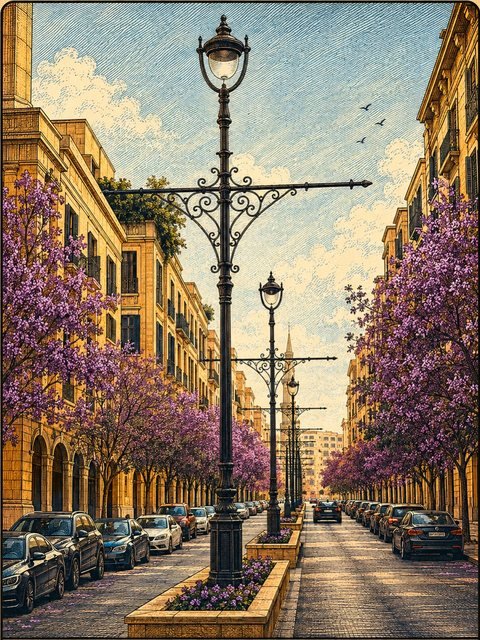
The old souks and the administrative heart of the city, flattened in the civil war and rebuilt from 1994 by Solidere, the private company set up to do it, with property owners paid in shares rather than land. What came back was a district of stone facades and luxury shops that many Lebanese felt was not returned to them. Since 2019 much of it has stood empty. Parliament, the Serail and the cathedrals are all inside it.
Cathedral & Mosque
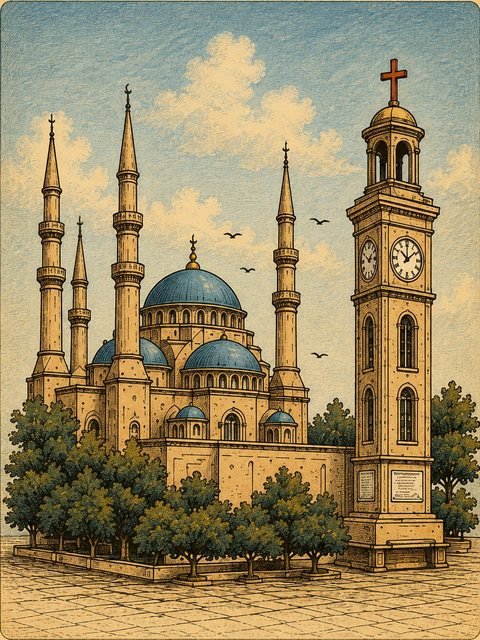
Saint George Maronite Cathedral was consecrated in 1894, built over older churches on the same ground and in a style borrowed from Rome. The Mohammad Al-Amin Mosque went up beside it more than a century later, funded by Rafik Hariri, and opened in 2008. Hariri’s grave is on the same square. The two buildings share a wall line and a plaza, and the picture of them together is the one the world reaches for when it means Lebanon.
Saifi Village
A corner of the rebuilt centre laid out in the late 1990s as a residential quarter of pastel facades, galleries and small shops, on ground that had been ruined in the war. It sits between downtown and Gemmayzeh and is among the most expensive addresses in the country. It is quiet in a way the rest of Beirut is not, which is either its charm or the point of the criticism, depending on who is speaking.
Gemmayzeh
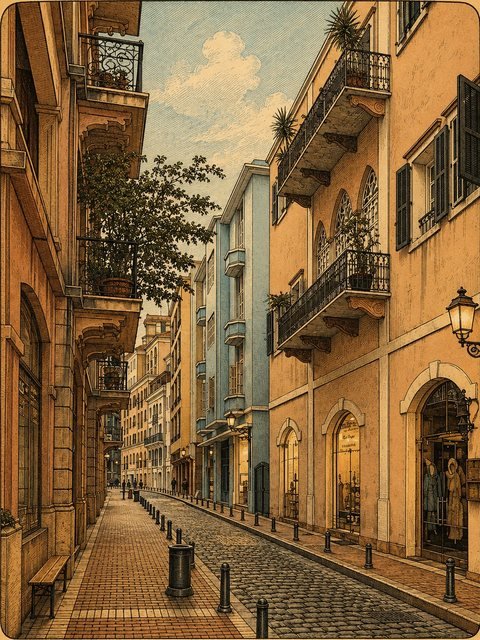
A long street of Ottoman and Mandate era houses running east from the centre along Rue Gouraud, named after a sycamore that once stood here. Its staircases and balconies survived the war and then filled, in the 2000s, with the bars that made it the city’s nightlife street. It lies directly up the hill from the port, and on 4 August 2020 it took the blast almost head on. Hundreds of heritage buildings were damaged in an afternoon.
Mar Mikhael
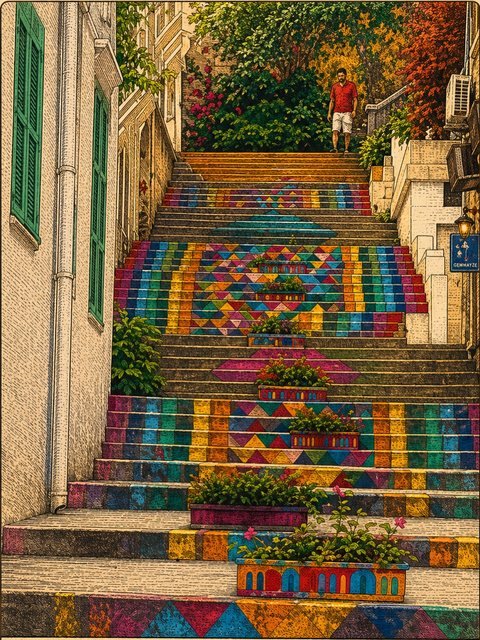
The continuation of Gemmayzeh, named for its church. For most of the last century it was workshops, garages and printers. In the 2010s the same ground floors became galleries, design studios and bars, and the district became the one people meant when they talked about Beirut reinventing itself. It is the closest residential quarter to the port, and it was gutted on 4 August 2020. Much of what reopened was rebuilt by neighbours rather than by the state.
Achrafieh
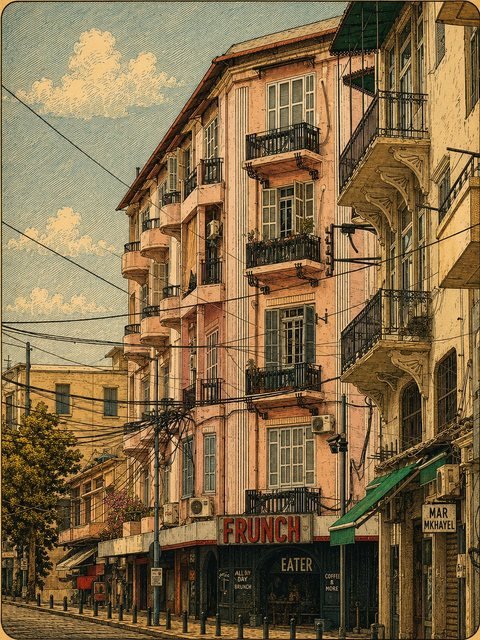
The eastern hill of the city, and one of its oldest quarters. The name carries the sense of high ground. Its slopes hold the Sursock mansions, the churches, Sassine Square and the streets that became the eastern side of the wartime front. It rebuilt itself faster than most of Beirut after 1990, then lost a great deal again in 2020, being close enough to the port for the blast to reach it street by street.
Sodeco
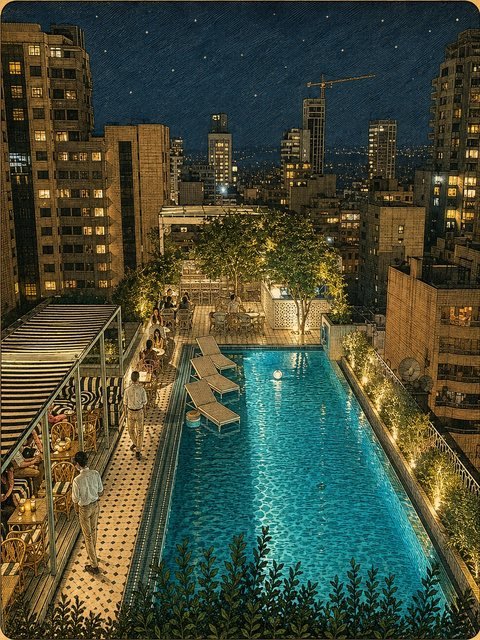
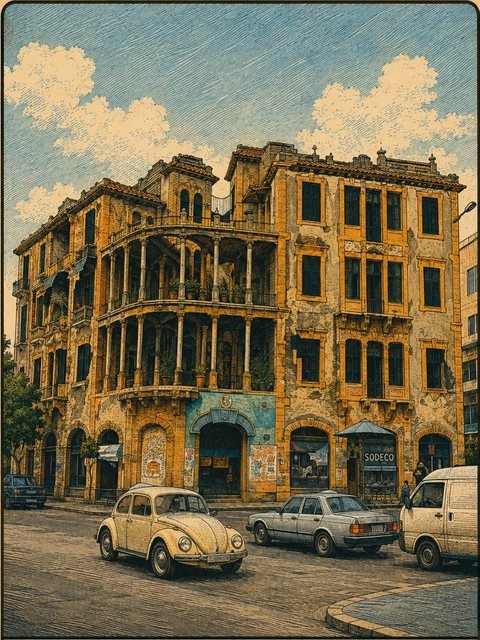
A crossing in Achrafieh that sat directly on the Green Line, and the reason most people know it is the yellow house on the corner. The Barakat Building went up in 1924 to a design by Youssef Aftimus and Fouad Kozah, and its open plan and wide balconies made it, in the war, an ideal sniper position. It was saved from demolition and restored as Beit Beirut, a museum of the city’s memory, opening in 2017. The bullet holes were kept.
Hamra Street
West Beirut’s main street, and in the 1960s and 1970s the place where the Arab world argued with itself. Its cafes, cinemas, publishing houses and the offices of exiled writers made it the intellectual centre of the city. The war emptied it. What came back was a street of banks, bookshops and student bars, and the central bank sits on it, which means the queues that formed in 2019 formed here.
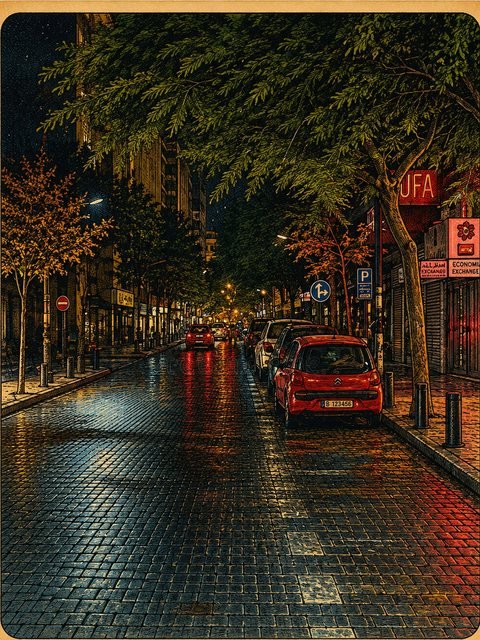
AUB
Founded in 1866 as the Syrian Protestant College and renamed the American University of Beirut in 1920. Its campus runs down the Ras Beirut slope towards the sea, and its medical centre is one of the busiest hospitals in the region. It has taught in English since the 1880s and has educated a great many of the people who went on to run Arab governments, which is either its distinction or its complication, depending on the decade.
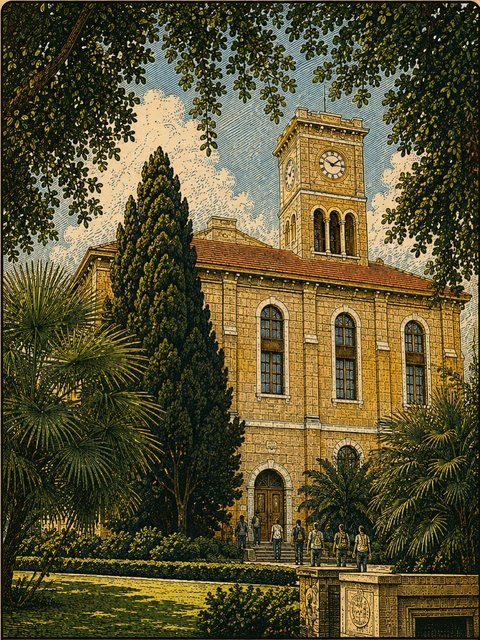
Sursock Museum
Nicolas Ibrahim Sursock built the villa in 1912, on the Achrafieh hill where his family held land, in a mix of Venetian and Ottoman styles. He died in 1952 and left the house to the city of Beirut on the condition that it become a museum. It opened as one in 1961 and has shown Lebanese modern art since. The explosion at the port in 2020 hit it almost head on. Restoration took close to three years and it reopened in May 2023.
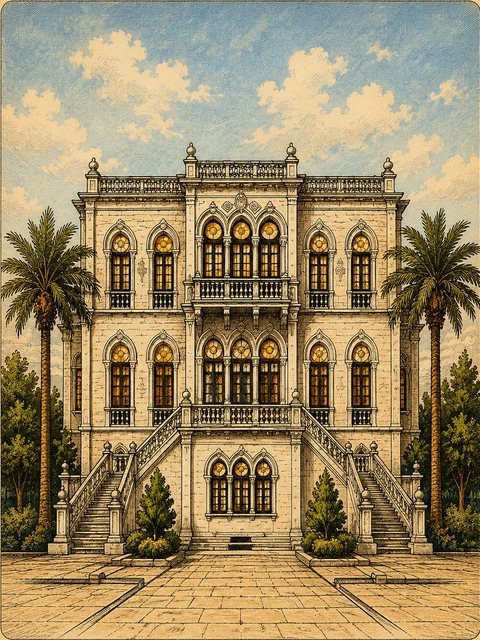
The National Museum
The National Museum opened on the Damascus Road in 1942, and within a generation the road outside it was the Green Line. Rather than move the collection, the curators encased the mosaics and the heavy sarcophagi in concrete and walled the smaller pieces into the basement, and the building itself was used as a firing position for years. When the concrete was broken away after the war the collection was found intact. It reopened in 1999.
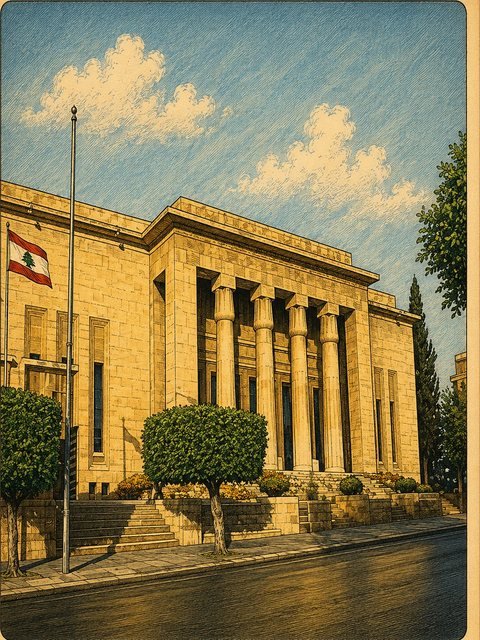
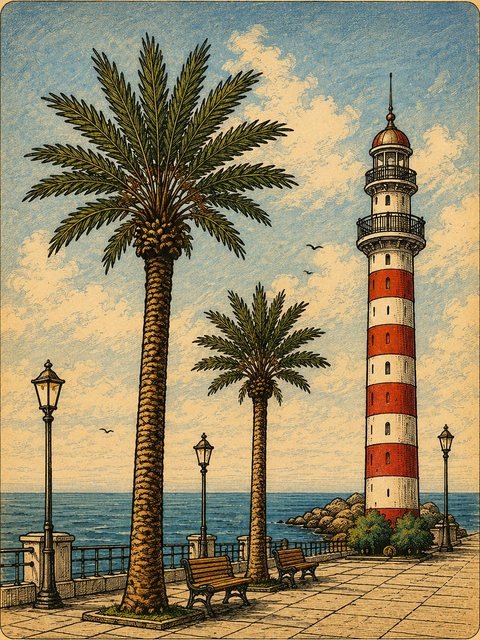
The Manara
The lighthouse district on the western seafront, and the stretch of the Corniche people walk at sunset. The old lighthouse was built in the 1950s and was gradually cut off from the sea by the towers that went up in front of it, so a new one was put on the shore. The old tower still stands inland of the road, dark, which is a fair picture of how the coastline has been treated.
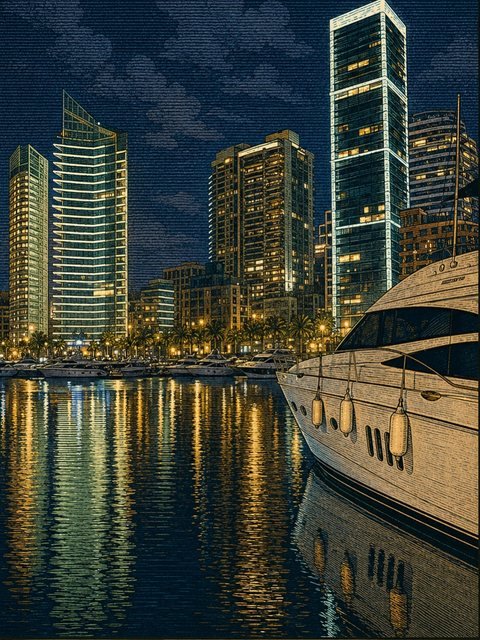
Zaitunay Bay
A marina and waterfront promenade opened in 2011 on the old Saint-Georges bay, as part of the rebuilding of the centre. Beside it stands the Saint-Georges Hotel, shut since the civil war and damaged again by the bomb that killed Rafik Hariri in 2005, whose owner spent years in court over whether the public keeps a right of way to its own seafront. The case is the shortest explanation of how Beirut lost its coast.
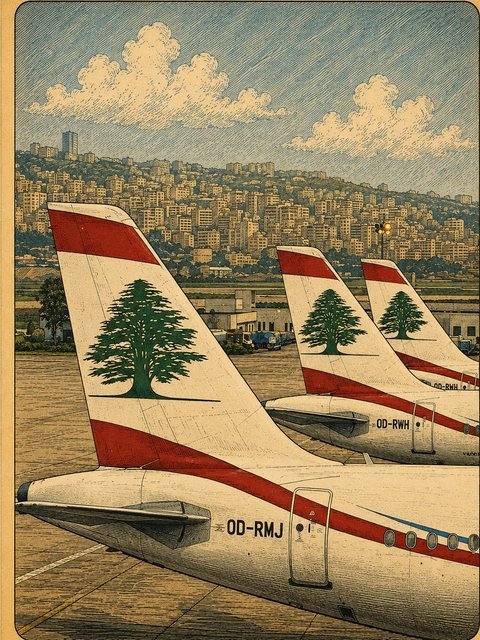
The Airport
Beirut’s airport opened in 1954 and was renamed after Rafik Hariri in 2005. It is the only commercial airport in the country, which makes it the single air link in and out, and that has made it a target: aircraft were destroyed on the ground in a raid in 1968, and the runways were bombed in 1982 and again in 2006. When the airport closes, Lebanon closes.
What we cover
Beirut first.
Lebanon in full.
Why this exists
Beirut has no shortage of news.
It has a shortage of trust.
Lebanese readers already have more outlets than they can follow, and less certainty than ever about which of them is reporting and which is campaigning. The Beirut Journal is built for the second problem: a publication where the sourcing is visible, the ownership is not in question, and the same story reads the same way in both languages.
What we cover
Three beats, reported properly,
rather than everything, reported thinly.
Parliament, cabinet, the municipalities, and the decisions that follow from them.
The banks, the currency, the budget, and the cost of all of it to an ordinary household.
What happened in Lebanon today, with the detail that makes it possible to judge for yourself.
How we work
The standards are the product.
Credibility is not claimed, it is built one story at a time. These are the standards this paper works to.
Every story carries its sources
Where a claim comes from is named in the piece, not implied. If a report cannot be attributed, it does not run.
Reporting and opinion stay apart
News copy carries no editorial line. Where the Journal takes a position, it is labelled as one and signed.
Credibility before speed
A story runs when it is verified, not when it is first. In Beirut, where rumour always travels faster than fact, that is the whole difference between journalism and noise.
An editor signs off on everything
No item reaches a reader without a person having read it, checked it, and put their name behind it.
Get in touch
The door is open for tips, and for work.
Newsroom & enquiries
Have a story, a document, or something we should be looking at? Write to us. Every message is read.
editor@thebeirutjournal.comCollaborate
We work with reporters, photographers, translators and editors who hold to the standards above.
Pitch or applyTell us what we should be reporting.
Write to the newsroomFollow